Grade 23 Titanium Plate (Ti-6Al-4V ELI) – The Medical Grade Standard
Ti-6Al-4V ELI (Grade 23) is the high-purity version of Ti-6Al-4V. It is the top choice for medical and dental applications due to its superior biocompatibility, fatigue strength, and fracture toughness.
Chemical Composition(%)
| Fe | C | N | H | O | AL | V | / | Ti
|
Nominal | ≦0.25 | ≦0.08 | ≦0.05 | ≦0.012 | ≦0.13 | 5.5-6.5 | 3.5-4.5 | / | Balance |
Meas | 0.16 | 0.011 | 0.015 | 0.003 | 0.075 | 6.05 | 4.02 | / | Balance |
Mechanical Properties
Item | Tensile Strength(Mpa) | Yield Strength(Mpa) | Elongation(%) | Bend Test |
Nominal | ≧860 | ≧795 | ≧10 | 4W |
Meas | 1100 | 1001
| 17.0 | OK |
Grade 23 Titanium Plate (Ti-6Al-4V ELI) – Key Features and Advantages
1)Ultra-low gap element effect:
a. Improved toughness:The oxygen content was reduced from ≤0.20% to ≤0.13%, significantly reducing lattice distortion and enhancing fracture toughness and plasticity.
b. Improvement of biocompatibility: Purer tissues reduce the body's immune response and are the preferred material for FDA-certified medical implants.
c. Outstanding low-temperature performance: It still maintains excellent toughness in an ultra-low temperature environment of -250°C and does not undergo brittle transformation.
2).Physical Property
a. Melting point: 1604-1660°C
b. Thermal conductivity: 6.70 W/(m·K) (relatively low. Pay attention to heat dissipation during processing)
c. Coefficient of thermal expansion: 8.6×10⁻⁶/°C (20-600°C), good dimensional stability
3)Corrosion Resistance
a. It forms a dense TiO₂ passivation film, which has extremely strong resistance to seawater, acid and alkali corrosion, with a corrosion rate of less than 0.0005mm per year (1/100 of that of 316L stainless steel).
b. It is particularly suitable for Marine engineering and chemical equipment.
Grade 23 Titanium Plate (Ti-6Al-4V ELI) –Core Application Fields
1)Medical Implants
a. Dentistry: Implants (with excellent biocompatibility and no allergic reactions)
b. Cardiovascular: Stents, heart valve assemblies (with good antithrombotic properties)
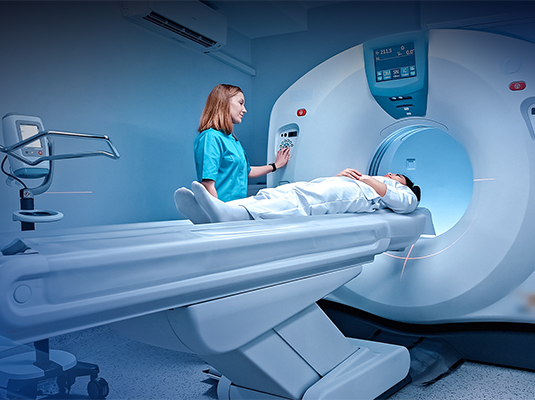
c. Special advantages: It does not affect MRI examinations and has no risk of metal allergies
2)Key Structural Components for Aerospace
a. Fuselage: Key fasteners and frame beams for modern passenger aircraft such as the Boeing 787 (weight reduction by 40%, fatigue life increased by three times).
b. Engine: Compressor blades (maintain strength at 450°C high temperature).
c. Landing gear: Support structure (enhanced fatigue resistance, weight reduction by 30%).
d. Satellite: Solar panel frame (balancing lightweight and rigidity).
3)Application in Extreme Environments
a. Deep-sea equipment: submersible pressure-resistant housing (capable of withstanding a water pressure of 70MPa), sensor brackets.
b. Nuclear industry: First wall material for nuclear fusion devices (low neutron activation).